are closed end funds riskier
A closed-end fund is a type of mutual fund that issues a fixed number of shares through a single initial public offering IPO to raise capital for its initial investments. Closed end funds issue a set number of shares at the funds origin that trade on the stock exchange.

The Advantages And Risks Of Closed End Funds Aaii
The peculiarity of open-ended real estate funds is that in contrast to closed-end real.
. Closed-end assets are riskier than open-end assets which is fine for those with a long time horizon. Closed-end funds raise a certain amount of money. However their holdings were junk.
CEF shares are bought and sold at market price determined by competitive bidding on the stock exchange. Closed-end fund definition. CEFs are riskier investments compared to most other bond portfolios.
Like mutual funds closed-end funds manage a portfolio of stocks bonds or other securities. It should be noted that until recently most CLO issuances were not rated junk. A closed-end fund is a type of investment company whose shares are traded on a stock exchange or in the over-the-counter market.
C Arbitrage The notion that holding a closed end fund is riskier than holding from FINA 4325 at University of Minnesota-Twin Cities. With the CEF market value largely driven by. Capital does not flow into or out of the funds when shareholders buy or sell.
If you are interested in learning about closed-end. There is a one-time initial public offering IPO and with limited. Closed-end funds may not be ideal for investors looking for riskier investments that offer bigger returns than safer ones.
A mutual funds yield reflects its interest and dividend income. Generally theyre no riskier than their cousins open-ended mutual funds. Thats clear and should be stated again and again.
Closed-end funds may trade at a premium to NAV but often trade at a discount. An open-ended real estate fund is an investment fund that invests primarily in real estate. Its assets are actively managed by the funds.
A closed-end fund or CEF is an investment company that is managed by an investment firm. Closed-end funds trade on stock market exchanges. A closed-end fund is a type of investment company that pools investor contributions together to buy a mix of securities such as stocks and bonds.
Closed-end funds are a type of investment company whose shares are traded in the open market like a stock or ETF. Furthermore these loans are generally riskier types of loans. A closed-end fund is organized as a publicly traded investment company by the Securities and Exchange Commission SEC.
Closed-end funds by contrast are not continuously offered and have a fixed number of shares outstanding. Like a mutual fund a closed-end.

Why Closed End Mutual Fund Schemes Are A Risky Investment The Economic Times

Closed End Funds Investment Guide Blackrock
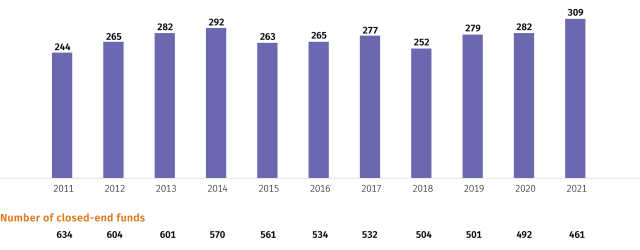
Closed End Funds And Their Use Of Leverage Faqs Investment Company Institute
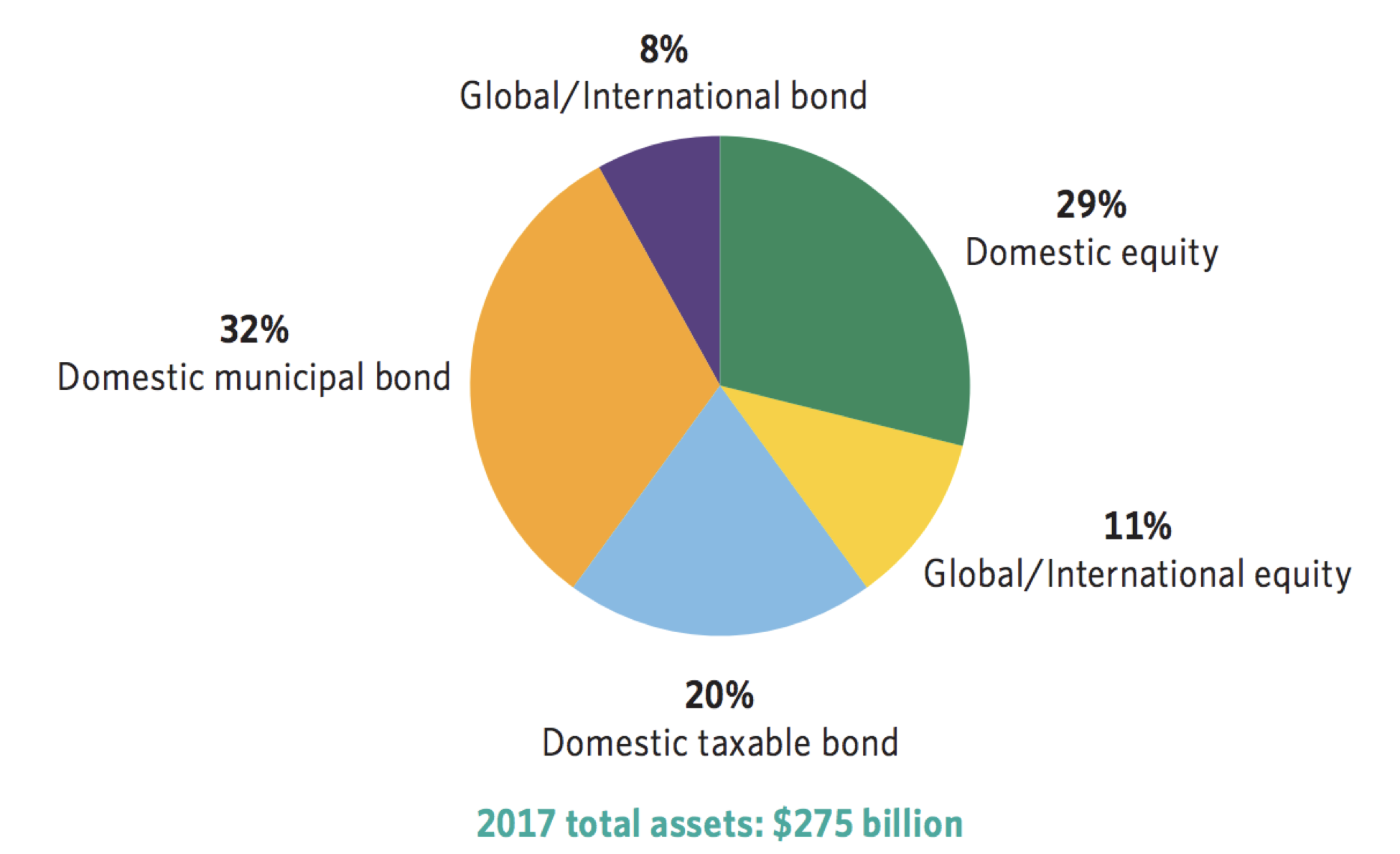
A Guide To Investing In Closed End Funds Cefs
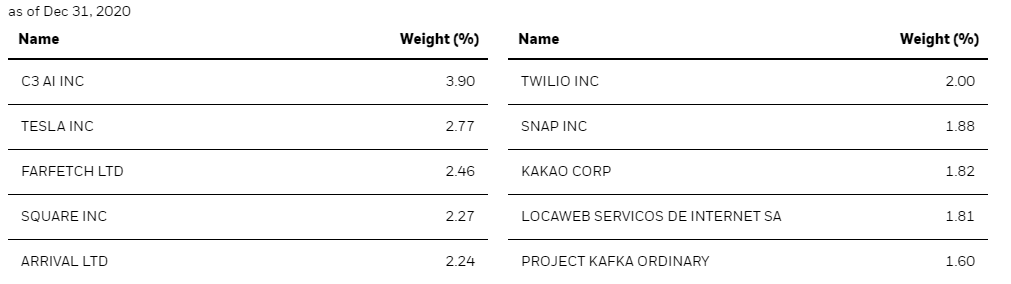
Closed End Funds Can Be A Fit For Any Investor Seeking Alpha

Closed End Funds Basics How It Works Pros Cons The Smart Investor
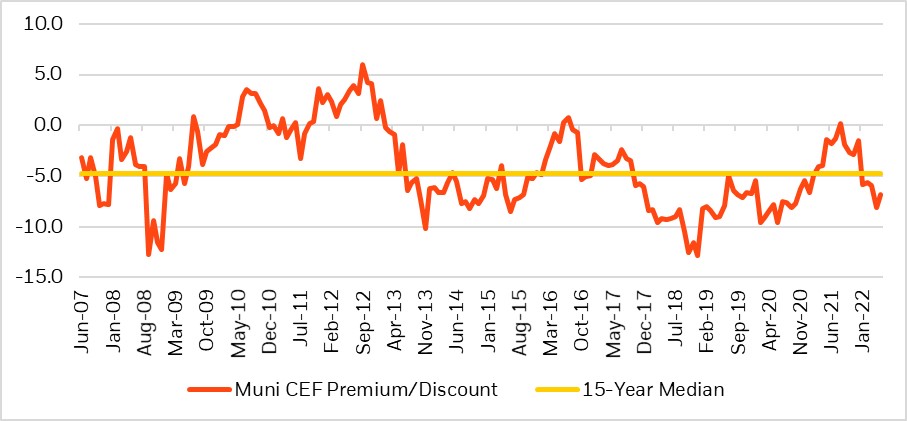
Is It Time To Consider Muni Closed End Funds Blackrock

Beware Of Risky High Paying Closed End Funds Wsj

5 Best High Yielding Closed End Funds To Buy
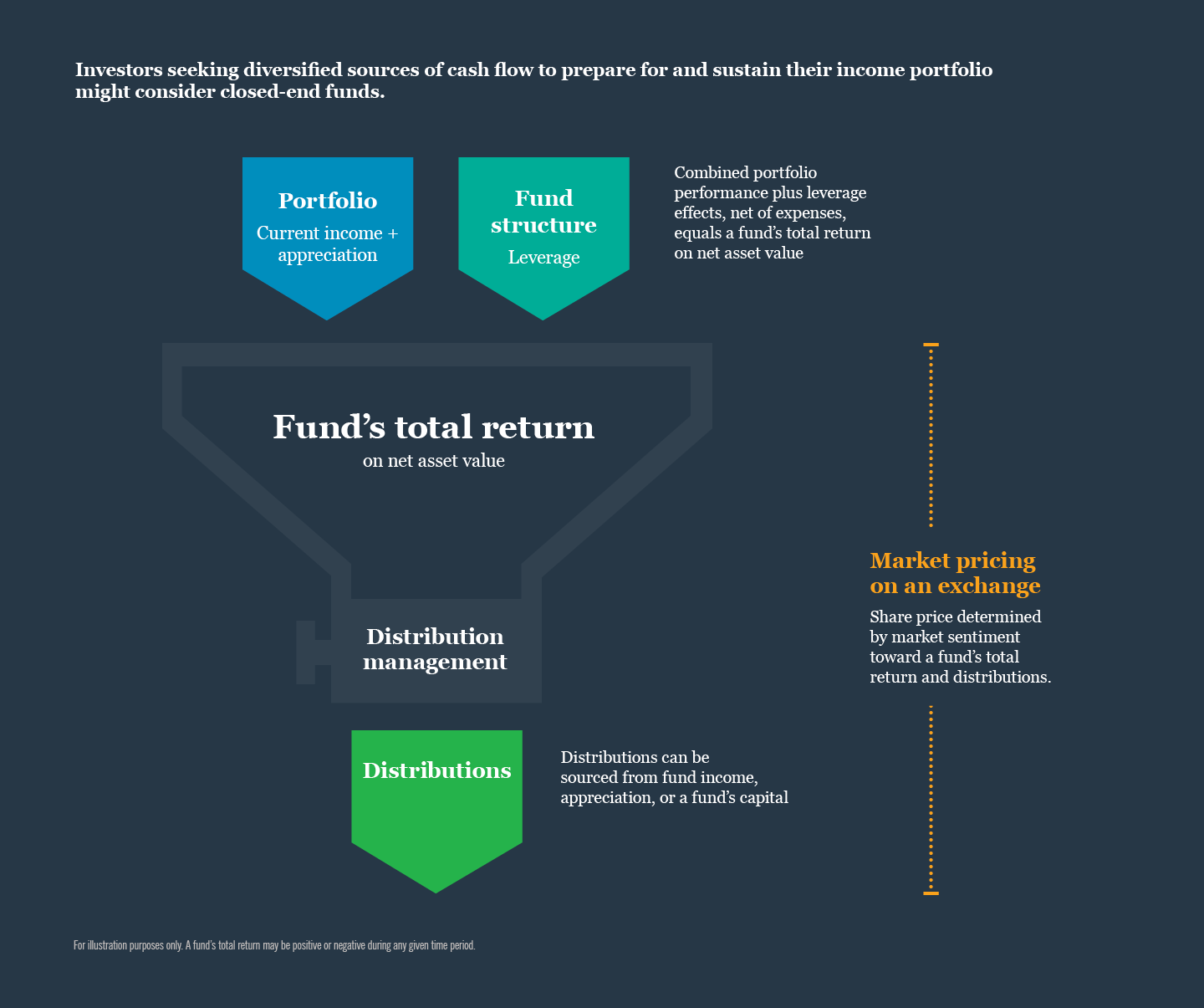
Key Concepts Of Closed End Funds Nuveen
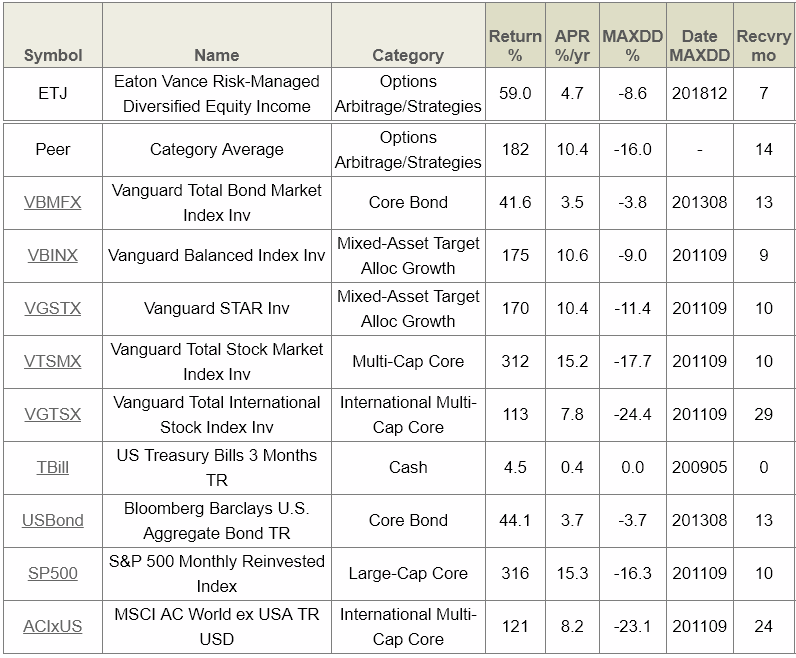
Managed Risk Portfolio Closed End Funds And Income Seeking Alpha

How To Measure Closed End Fund Risk Nyse Nmz Seeking Alpha
:max_bytes(150000):strip_icc()/mutual_funds_paper-5bfc2f4b46e0fb00260bd35d.jpg)
Closed End Vs Open End Investments What S The Difference

Closed End Funds Term Trusts Eaton Vance

What Is A Closed End Fund And Should You Invest In One Nerdwallet
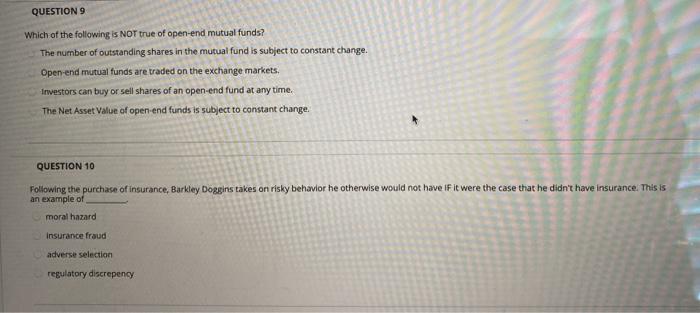
Solved Question 9 Which Of The Following Is Not True Of Chegg Com

Closed End Funds Basics How It Works Pros Cons The Smart Investor
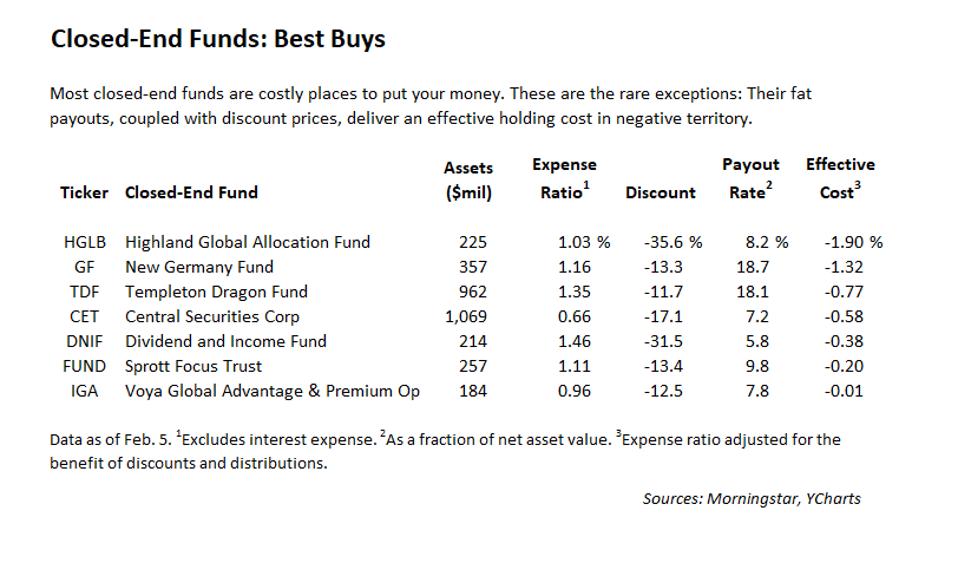
Guide To Closed End Funds Best Buys

Making Sense Of Closed End Funds Barron S